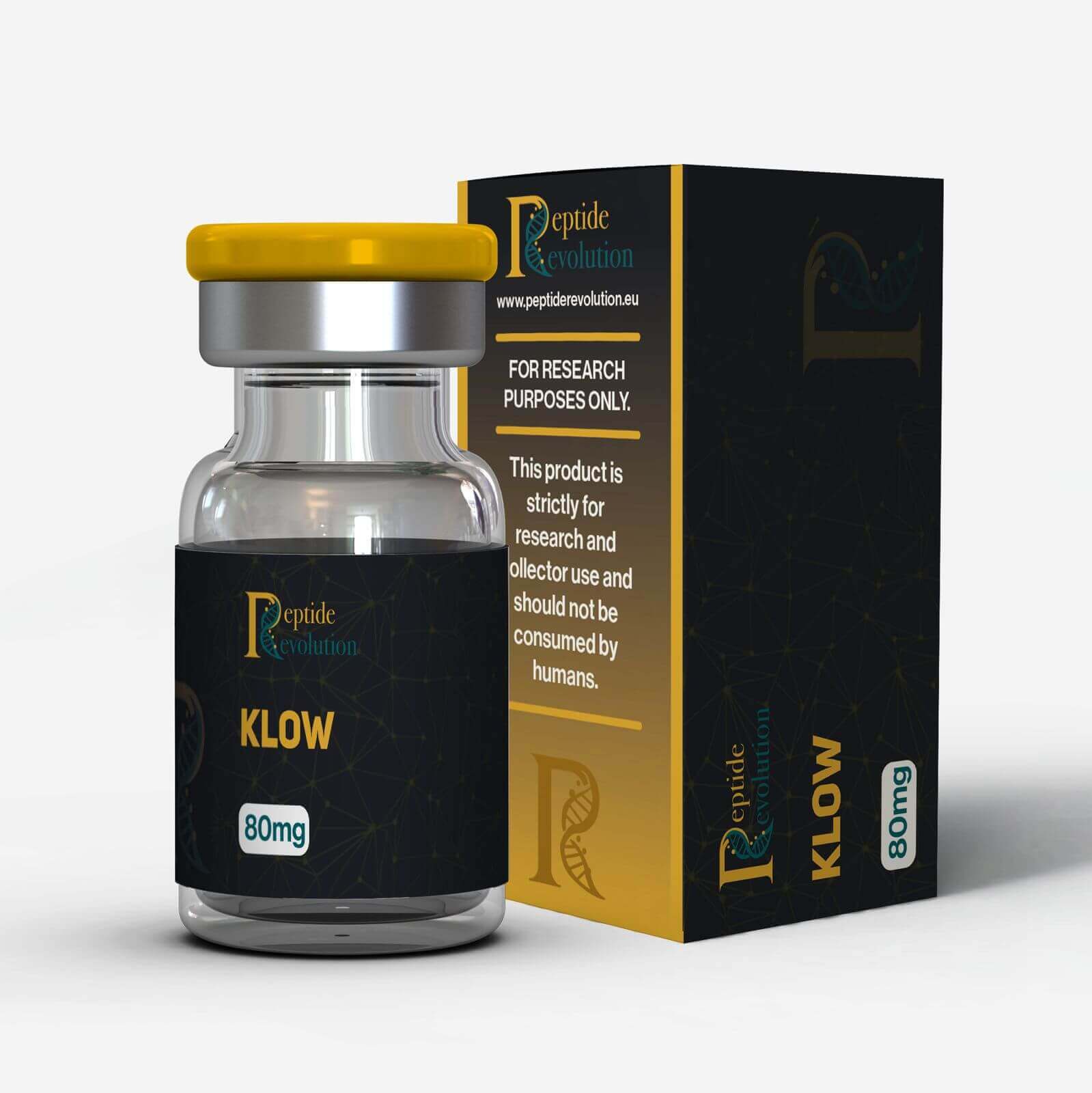
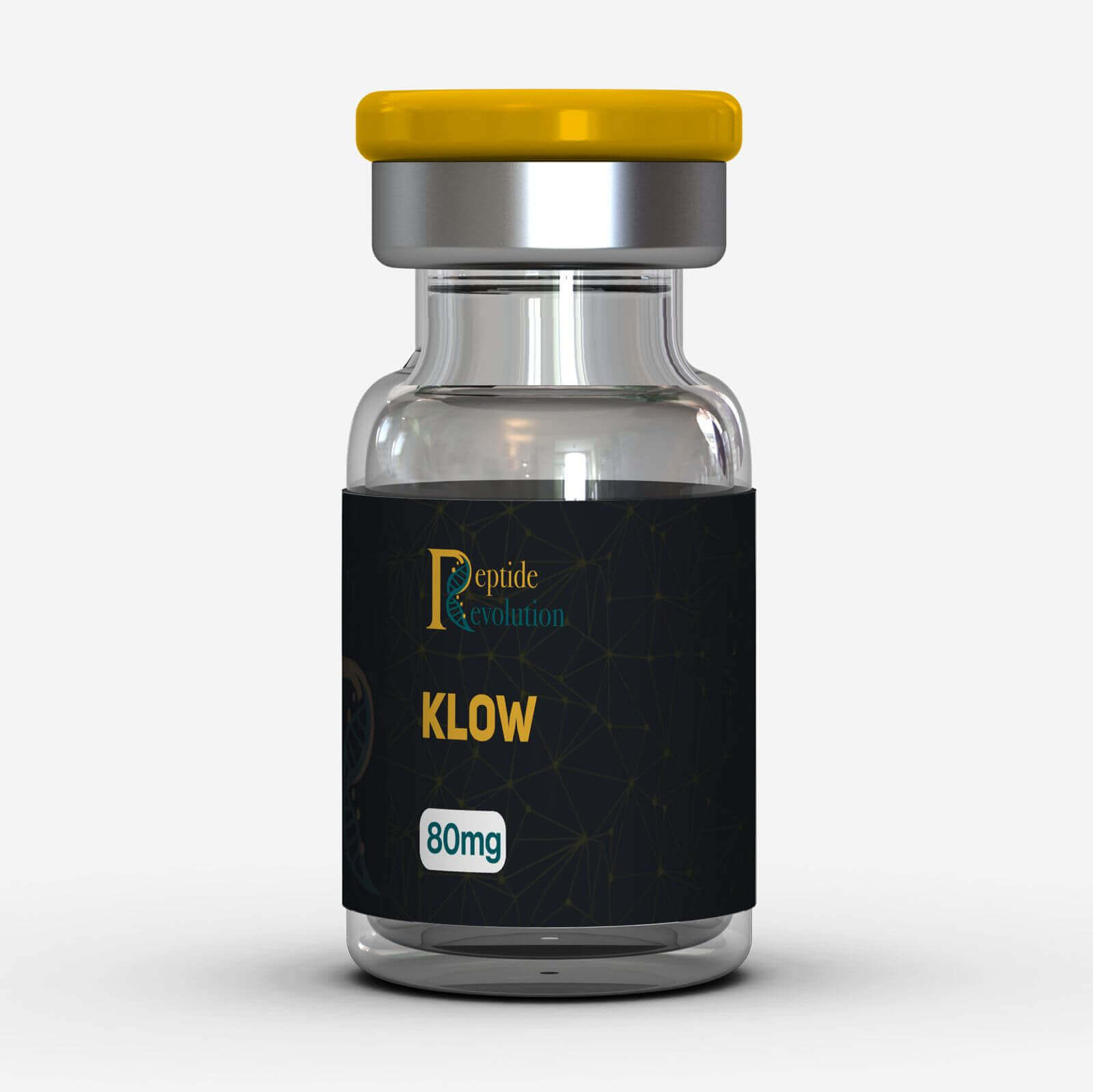
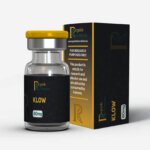
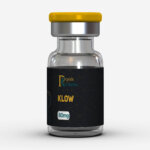
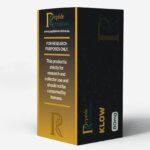
KLOW 80mg (KPV 10mg + TB-500 10mg + BPC-157 10mg + GHK-Cu 50mg)

Original price was: 205,00 €.Current price is: 174,25 €.

23 in stock

Find out what benefits peptides have

Discover how peptides can boost recovery, improve skin health, increase energy and support overall performance. Explained simply and clearly in this short video.

Advanced Research Peptide Blend

KLOW – 80 mg

Research-grade lyophilized peptide blend supplied in a sterile glass vial. KLOW combines
KPV 10 mg, TB-500 10 mg, BPC-157 10 mg, and GHK-Cu 50 mg
in a single multi-component research formulation intended for controlled laboratory investigation.

This blend is explored in experimental settings for its relevance to cellular signaling, peptide interaction models, tissue-related laboratory pathways, copper-peptide activity, and broader structure–function research applications.

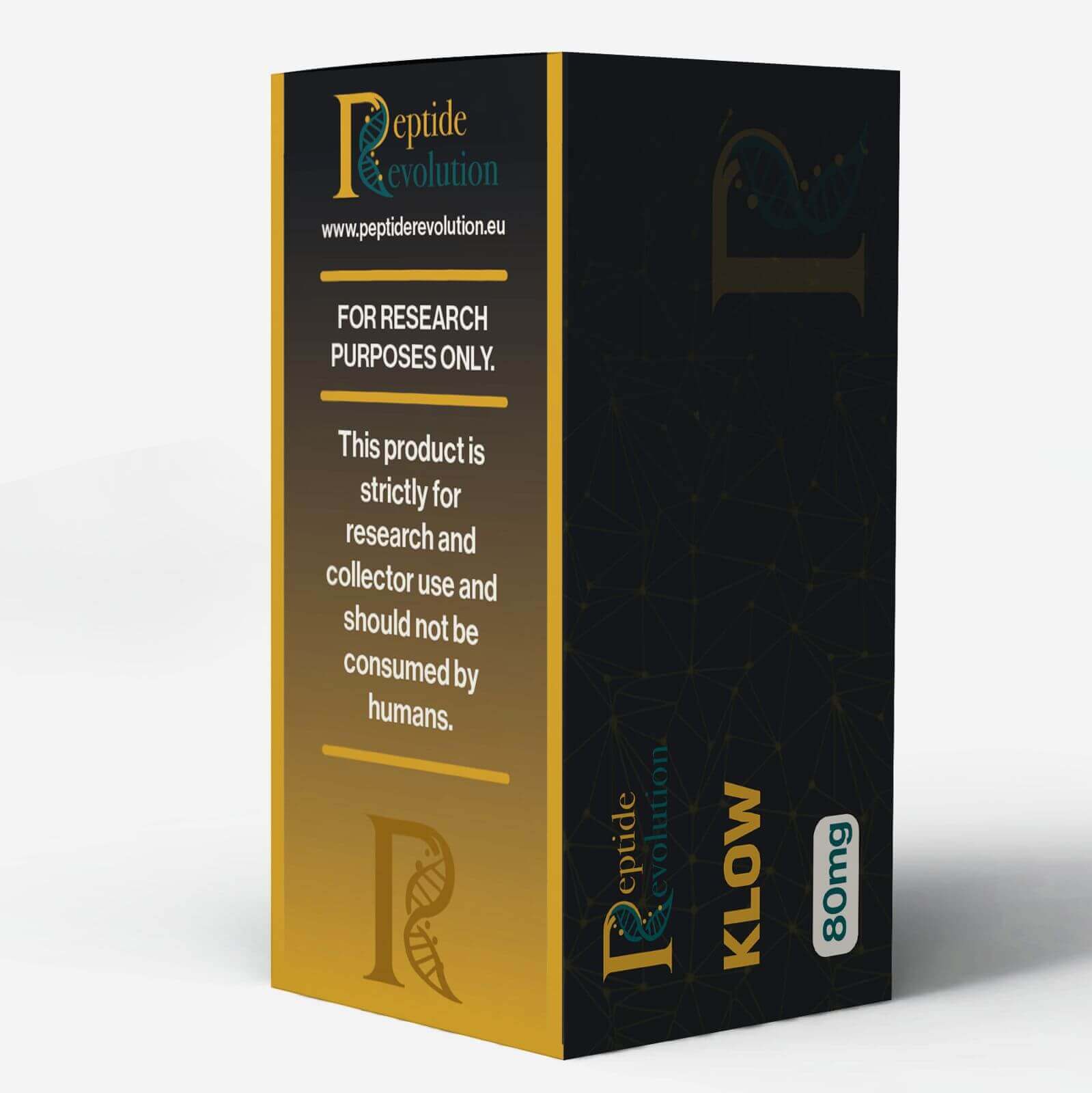
Research Use Only
This product is intended strictly for laboratory and scientific investigation. Not for human consumption, therapeutic use, or veterinary application.

Specifications

Blend Composition
KPV 10 mg + TB-500 10 mg + BPC-157 10 mg + GHK-Cu 50 mg
Purity
High-purity research grade (≥98%)
Form
Lyophilized peptide powder
Content
80 mg total peptide blend per vial
Packaging
Sterile glass vial with sealed closure
Storage
Store lyophilized at 2–8 °C, desiccated and protected from light
Solubility
Soluble in sterile aqueous diluents appropriate for laboratory use
Appearance
White to off-white lyophilized powder

Reconstitution

Bacteriostatic Water 10 ml

In laboratory workflows, lyophilized peptide blends are typically reconstituted using sterile diluents such as bacteriostatic water (BAC), which may support consistent preparation and reliable handling during research procedures.

Use only suitable research-grade solvents and follow standard laboratory handling protocols.

Research Overview

KLOW is a multi-peptide research blend designed for controlled experimental use in studies involving
cellular communication, peptide synergy models, extracellular matrix-associated pathways, copper-peptide interactions, and inflammatory signaling environments.
Its multi-component profile makes it relevant for laboratory settings investigating complex pathway interplay and formulation behavior. No therapeutic or clinical claims are made or implied.

Primary Research Areas

Cellular Signaling & Peptide Interaction
Investigated in vitro for peptide-mediated signaling behavior, interaction across multiple cellular pathways, and broader structure–activity relationships in controlled systems.
Barrier & Tissue-Related Laboratory Models
Applied in research models examining epithelial integrity, tissue-associated signaling, matrix-related processes, and experimental recovery pathway mapping.
Copper-Peptide Activity
Studied for its relevance to copper-associated peptide behavior, protein signaling environments, and laboratory assays involving remodeling and structural support mechanisms.
Inflammatory Signaling Environments
Used in experimental assays evaluating cytokine-related signaling, cellular stress responses, and broader pathway behavior under inflammatory laboratory conditions.
Laboratory handling note:
Lyophilized research peptides are commonly handled using sterile research diluents and standard light-protected, desiccated storage conditions.

RELATED PRODUCTS