Blog
BPC-157 10 mg: Research Guide, Mechanism & Specification
BPC-157 10 mg is one of the most extensively studied regenerative peptides in preclinical literature. This guide covers what the compound is, how it behaves in published research models, what specification research-grade material should meet, and how laboratories handle and store it. Written for research context only – no human use protocols are provided.
What is BPC-157?
BPC-157 (Body Protection Compound 157) is a synthetic pentadecapeptide – a chain of fifteen amino acids – derived from a protective protein sequence originally identified in human gastric juice. Its sequence is Gly-Glu-Pro-Pro-Pro-Gly-Lys-Pro-Ala-Asp-Asp-Ala-Gly-Leu-Val.
What makes it notable in a laboratory context is stability. Unlike many peptides that degrade quickly in gastric conditions, BPC-157 has shown resistance to hydrolysis in published stability work, which is one reason it appears so often in oral and systemic administration study designs in animal models.
It is supplied as a lyophilized (freeze-dried) white powder in a sealed vial. The 10 mg presentation is the format most commonly used in extended protocols, because it allows a single vial to cover a full study series after reconstitution.
Mechanism of action
BPC-157 does not act on a single well-defined receptor. Published preclinical work describes a set of converging effects on tissue repair signalling:
- Angiogenesis — upregulation of VEGFR2 signalling, associated with formation of new blood vessels in injured tissue
- Fibroblast migration — accelerated outgrowth of the cells responsible for depositing collagen
- Nitric oxide modulation — interaction with the NO pathway involved in vascular tone and perfusion
- Growth factor interaction — influence on FAK-paxillin and EGR-1 pathways in repair models
- Gastro-protective signalling — the original context in which the peptide was characterised
Why the research interest is broad
Most regenerative compounds are studied within one tissue type. BPC-157 is unusual because the same repair signalling appears across tendon, muscle, gastrointestinal and vascular models. That breadth is what drives the volume of published work – and it is also why results should be read carefully: a mechanism observed in rodent tendon does not automatically transfer to another tissue or species.
Research overview
The table summarises the principal areas BPC-157 has been investigated in and what each model reported. These are observations from published literature, not outcomes to be expected outside a controlled research setting.
| Research area | Model | Key observation |
|---|---|---|
| Tendon & ligament | Rodent, in vitro | Faster fibroblast outgrowth and collagen organisation |
| Muscle injury | Rodent | Improved regeneration following crush trauma |
| Gastric & intestinal | Rodent | Protection against NSAID-induced mucosal lesions |
| Vascular | Rodent | Increased angiogenesis in ischemic tissue |
| Nerve tissue | Rodent | Observed effects on peripheral nerve recovery |
| Bone & cartilage | Rodent | Markers of accelerated defect healing |
An honest summary has to note the limits. The overwhelming majority of BPC-157 data comes from rodent models. Large, controlled human clinical trials are absent from the literature, and long-term safety data does not exist in any meaningful volume. Any claim that presents BPC-157 as a proven therapy is going beyond what the evidence supports.
BPC-157 10 mg specification
The BPC-157 supplied by Peptide Revolution is intended strictly for laboratory research. Each vial is documented so a study can be traced back to a specific batch.
| Parameter | Specification |
|---|---|
| Compound | BPC-157 (Body Protection Compound 157) |
| Sequence | Gly-Glu-Pro-Pro-Pro-Gly-Lys-Pro-Ala-Asp-Asp-Ala-Gly-Leu-Val |
| Molecular formula | C₆₂H₈₀N₁₆O₁₆ |
| Molecular weight | 1419.5 g/mol |
| CAS number | 137525-51-0 |
| Format | Lyophilized powder, 10 mg per vial |
| Purity | ≥99% by HPLC |
| Documentation | Certificate of analysis per batch |
| Intended use | Laboratory research only |
Reconstitution & storage
Lyophilized BPC-157 is stable for extended periods, but once reconstituted the clock starts. Storage discipline is the single biggest factor in whether a vial stays within specification through a study.
- Lyophilized, frozen — stable for years at −20 °C in the sealed vial, protected from light
- Lyophilized, room temperature — tolerates shipping without loss of integrity; refrigerate on arrival
- Reconstituted — keep refrigerated at 2–8 °C and use within the study window
- Diluent — bacteriostatic water is standard; add it slowly down the vial wall rather than directly onto the powder
- Avoid — shaking, repeated freeze–thaw cycles and direct light, all of which degrade peptide integrity
For a metabolic research compound with a completely different profile, see our Retatrutide 10 mg research guide.
How to assess supplier quality
Peptide quality varies enormously between suppliers, and the specification sheet is where the difference shows. Four checks separate research-grade material from the rest:
- Batch-specific COA — the certificate must reference the batch number printed on your vial, not a generic sample
- HPLC purity ≥99% — with the chromatogram available, not just a stated figure
- Mass spectrometry — confirms the molecular weight matches the declared sequence
- Correct presentation — properly lyophilized powder in a sealed, intact vial with consistent fill
A supplier unwilling to provide batch documentation is telling you something important. For a comparison of another widely researched compound, see our MK-677 research guide.
Frequently asked questions
What is BPC-157 used for in research?
Published preclinical work investigates BPC-157 primarily in tissue repair models – tendon, ligament, muscle, gastrointestinal mucosa and vascular tissue. It is a research compound, not an approved treatment for any condition.
What purity should research-grade BPC-157 have?
≥99% by HPLC, confirmed on a certificate of analysis that references your specific batch number. A COA not tied to the batch you received provides no real assurance.
How should BPC-157 10 mg be stored?
Lyophilized vials keep for years at −20 °C, protected from light. After reconstitution with bacteriostatic water, store at 2–8 °C and avoid freeze–thaw cycles.
How long does reconstituted BPC-157 remain stable?
Stability depends on diluent, temperature and handling. Refrigerated consistently at 2–8 °C and shielded from light, reconstituted peptide is typically used within a short study window rather than stored long term.
Is BPC-157 approved for human use?
No. BPC-157 is not an approved medicinal product in the EU and is not authorised for human or veterinary use. It is supplied strictly for in-vitro laboratory research.
What is the difference between BPC-157 10 mg and 5 mg vials?
Only the quantity of lyophilized peptide per vial. The 10 mg format is generally chosen for extended protocols where a single batch should cover the whole study, reducing batch-to-batch variability.
Research use disclaimer
All products supplied by Peptide Revolution are intended strictly for in-vitro laboratory research and analytical purposes. They are not medicinal products, food supplements, cosmetics or veterinary preparations, and they are not approved for the diagnosis, treatment or prevention of any condition.
By purchasing, the customer confirms they are a qualified professional or research institution and that the material will be handled in accordance with applicable laws and good laboratory practice. This article summarises published scientific literature for informational purposes and does not constitute medical advice or a usage recommendation.
Explore our products


Melanotan 2 10 mg
Original price was: 49,99 €.32,00 €Current price is: 32,00 €.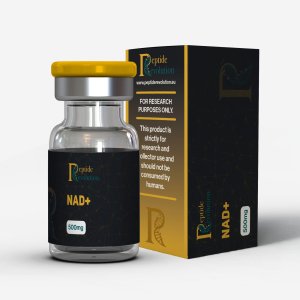
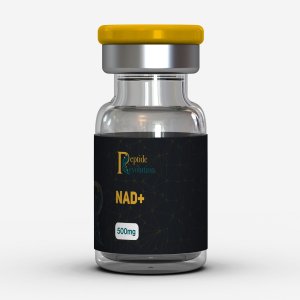
NAD+ 500 mg
Original price was: 49,99 €.44,09 €Current price is: 44,09 €.
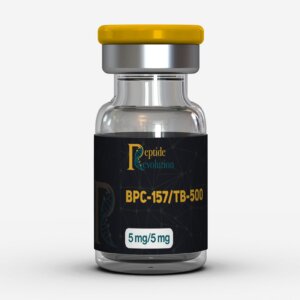
BPC-157 / TB-500 mix 5 mg + 5 mg
Original price was: 89,99 €.64,99 €Current price is: 64,99 €.